
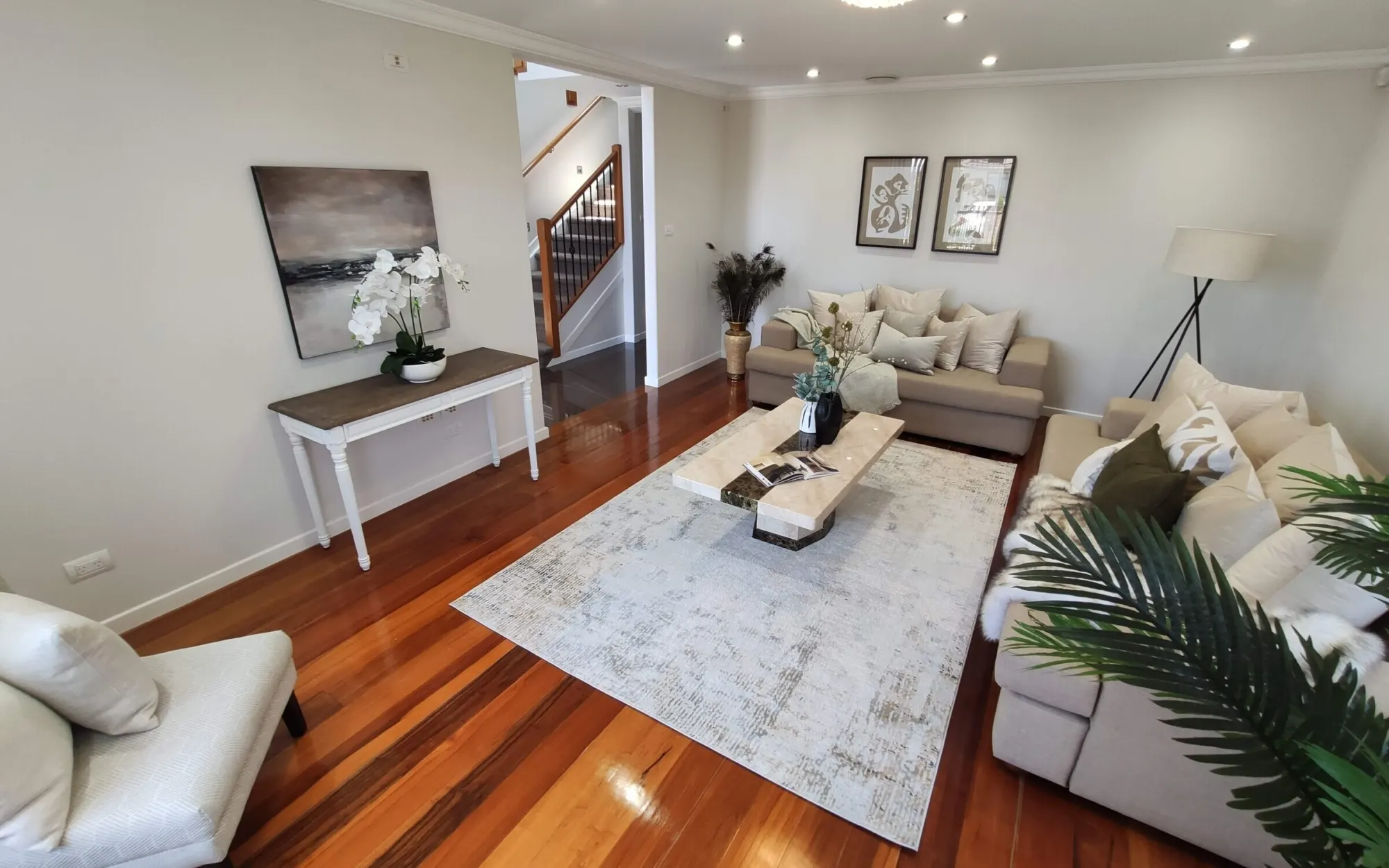
A useful home-staging brief gives the team enough information to understand the property, the likely scope and the campaign sequence before photography is locked in. For an Auckland real estate agent, that means sending a concise set of property facts, current images, access details and working dates.
1. Put the campaign dates at the top
The photography date is the clearest anchor for the brief because staging, property preparation and marketing all need to meet around it. Share the expected photography date and intended listing window, even if they are still provisional. If a date is not confirmed, label it as a working date so nobody mistakes it for a fixed booking.
It also helps to state where the vendor is in the decision process. The property may be at appraisal, preparing for a quote or close to a confirmed campaign. That context helps separate the decisions needed now from the details that can wait. For a fuller sequence, use the guide to booking home staging before photography.
2. Describe the property as it is now
A staging team needs the current state, not only the planned result. Include the suburb, property type, number of bedrooms and the rooms being considered. Say whether the home is vacant, occupied or partly furnished. If the vendor expects to remove furniture, identify what is definitely leaving and what may remain.
Property snapshot
- Suburb and property type
- Vacant, occupied or partly furnished
- Bedrooms and priority rooms
- Current phone photos, floor plan or listing link
- Furniture that must stay or is expected to leave
- Any decorating, repair or moving work still underway
Current phone photos are useful when they show the rooms honestly. Wide views help explain proportion and circulation, while a few closer images can show existing furniture or a practical constraint. A floor plan adds context when several rooms connect or when access through the property is not obvious.
3. Keep scope questions open until the property is assessed
The first brief does not need to decide every room or select a staging package. It should make the options visible. A vacant property may lead to a full home staging conversation. An occupied or partly furnished home may begin with partial staging, using suitable existing pieces alongside selected additions.
If the right starting point is unclear, say so. Ask the staging team to review the priority rooms, the furniture likely to remain and what the camera needs to communicate. That keeps the recommendation tied to the actual home rather than turning a general checklist into an assumed internal policy.
4. Flag access before it becomes a scheduling problem
Access belongs in the initial brief because it can affect how the project is planned. Note parking or loading limits, stairs, lifts, gates and any building access arrangement that needs to be confirmed. If keys, alarms or site contacts are still undecided, add them to the outstanding list rather than leaving the team to infer the answer.
Keep private security details out of an early email or shared campaign document. The brief only needs to identify that an access arrangement exists and who will confirm it through the appropriate project contact.
Facts that shape the brief
Property state, priority rooms, current photos, working campaign dates and known access constraints give the team a practical starting point.
Details that depend on the proposal
The final rooms, furniture scope, hire period, installation window and collection arrangements should come from the agreed project rather than an assumption in the first brief.
5. Define what ready for staging means for this property
Before installation, the agreed rooms need a clear handover. Building and decorating work should be complete, rooms should be clean and cleared as agreed, and power and safe access should be available. Parking, lifts, loading and key arrangements also need to be confirmed. These checks protect the sequence leading into photography without inventing a standard lead time.
For an occupied home, include the plan for pieces that are being stored, moved or retained. For a vacant home, confirm when the property will be empty and when cleaning or trade work is expected to finish. If either point is uncertain, record the owner and next update date for the question.
6. Ask the questions the proposal needs to answer
A good agent brief makes unknowns easy to resolve. It does not guess at availability, installation duration, extension terms or collection timing. Ask for the property-specific answer instead.
- Which rooms are included in the recommended scope?
- Which existing pieces should stay, move or be removed?
- What needs to be complete before installation?
- What installation window can be confirmed for this project?
- What hire period and collection arrangements are included in the proposal?
- Who should be contacted if the photography or campaign date changes?
This approach keeps contract-specific details in the proposal and gives the vendor a clear record of what has actually been agreed. The published Spaces process shows the broad path from enquiry and assessment through quote, installation and collection.
A copy-and-send agent briefing template
Briefing checklist
Property: suburb, property type and bedroom count.
Current state: vacant, occupied or partly furnished, plus any work still underway.
Rooms: priority spaces and furniture expected to remain.
Campaign: working photography date and intended listing window.
Visuals: current photos, floor plan or listing link.
Access: parking, loading, stairs, lifts and the person confirming entry arrangements.
Questions: scope, preparation, installation window, hire period and collection details to confirm.
Send an update when one of the anchor facts changes. A revised photography date, delayed trade handover or different furniture plan can alter the next decision, so the latest information should be easy for the vendor, agent and staging contact to identify.
Turn the brief into the next practical step
Agents can review the Spaces service for real estate professionals, see the type of presentation used across the home staging portfolio, and then send the project details for a free quote. The contact form already asks for the property suburb, listing date, property type, occupancy, project link and notes, so the checklist can be used directly when starting the conversation.